
Transit Advertising
Put your brand in motion.
Vehicle media with the work behind it. Connect the right placements with production, installation and campaign care, from the first booking to the final report.

- Brands
- Agencies & media companies
- Platform advertising teams
- Transit-media partners
Choose the setting
On the street. Inside the ride.
Choose the setting that suits the campaign and the passenger experience. Confirm inventory, permissions and delivery scope for the city and dates you need.
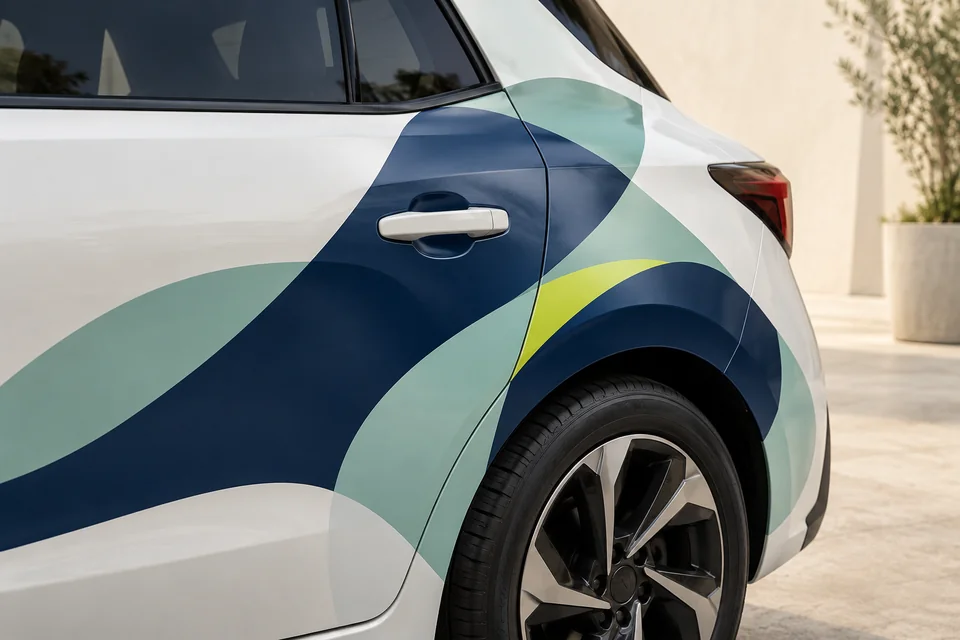
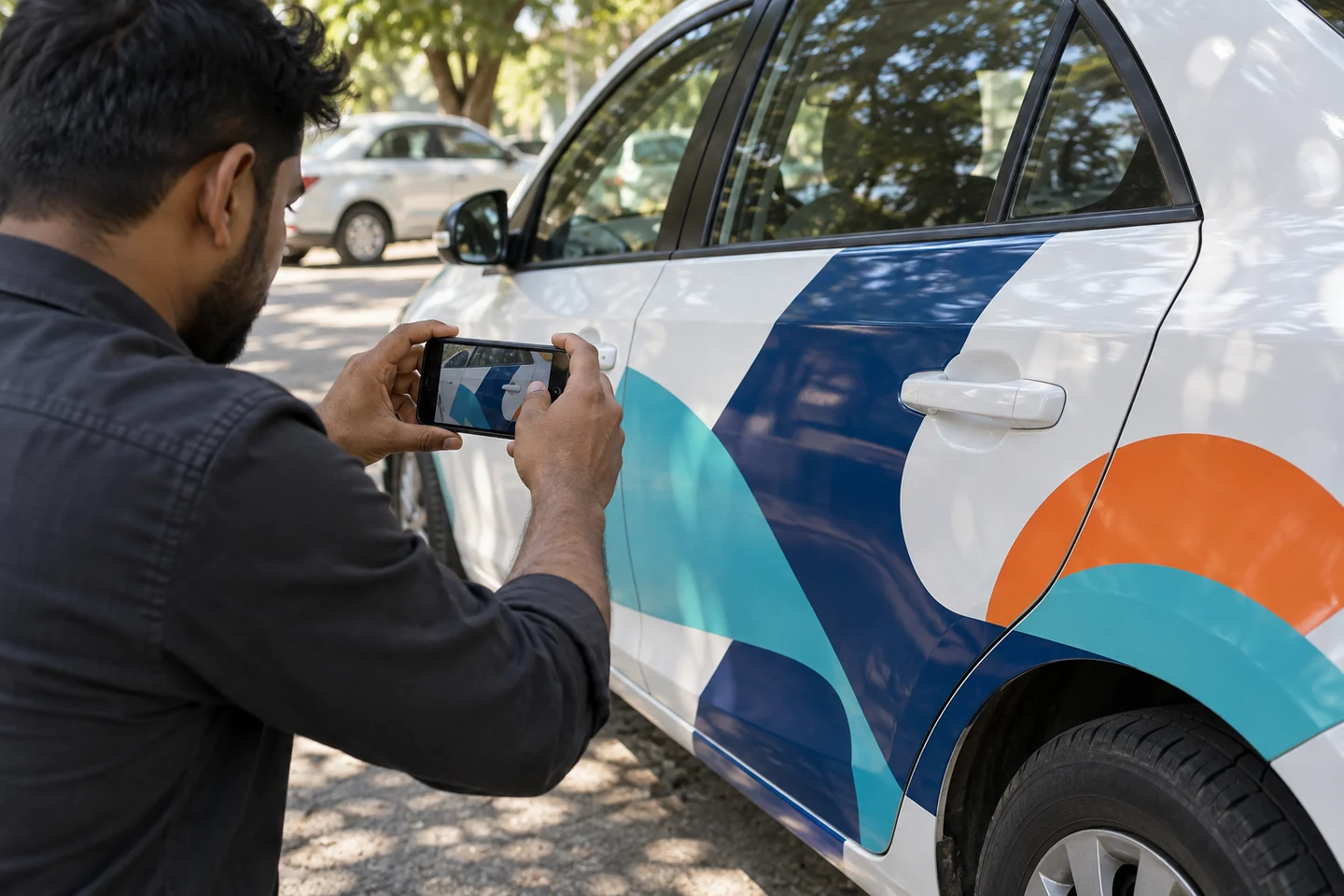
Exterior branding
Bring approved creative onto vehicle surfaces with careful fitment and upkeep.
Fitment, care and reporting
Exterior placements carry your creative into everyday journeys. Match artwork and material to each vehicle. Keep installation quality and condition consistent through the campaign.
Before launch
- Confirm vehicle type, usable surfaces and placement permissions.
- Adapt approved artwork to the actual vehicle template.
During the campaign
- Prepare print proofs and produce the material. Schedule fitment.
- Check installation quality; agree maintenance, replacements and removal.
What to record
- Record installed vehicles, dates and condition with agreed photographs.
- Report changes and downtime against the booked campaign period.
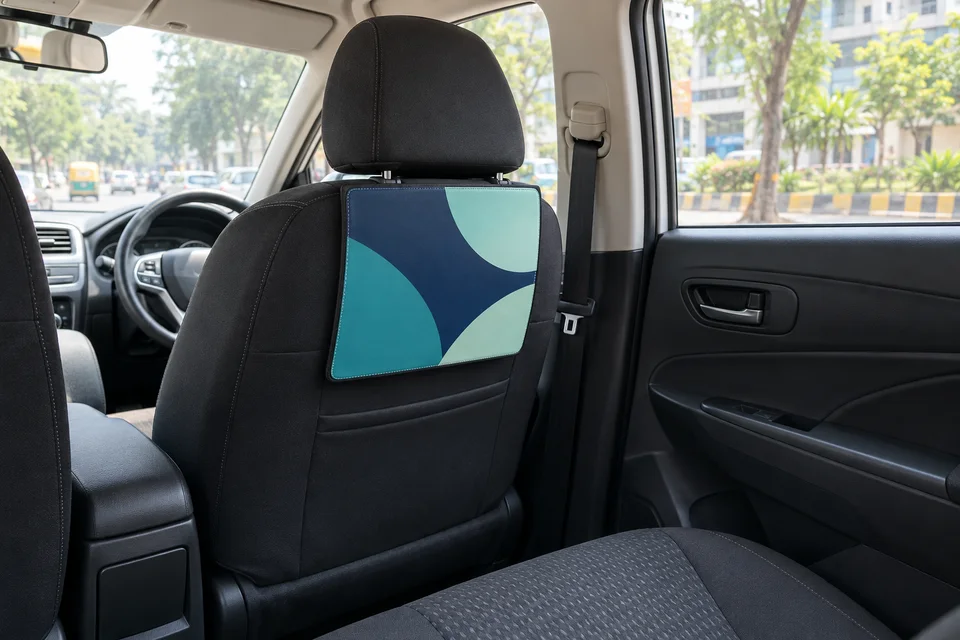
In-car placements
Seat-back cards and suitable interior placements give your message a considered place in the journey.
Fitment, care and reporting
Seat-back cards, headrest placements and suitable interior displays can bring a message into the passenger journey. Protect the experience through careful placement, clean presentation and ongoing checks.
Before launch
- Choose a placement that suits the cabin and passenger experience.
- Agree creative size and material. Obtain vehicle-owner approval and confirm safe fitment.
During the campaign
- Produce and install approved placements without obstructing essential vehicle features.
- Coordinate condition checks, replacements and end-of-campaign removal.
What to record
- Verify fitted units, campaign dates and placement condition.
- Use an optional campaign link or code to report recorded responses.
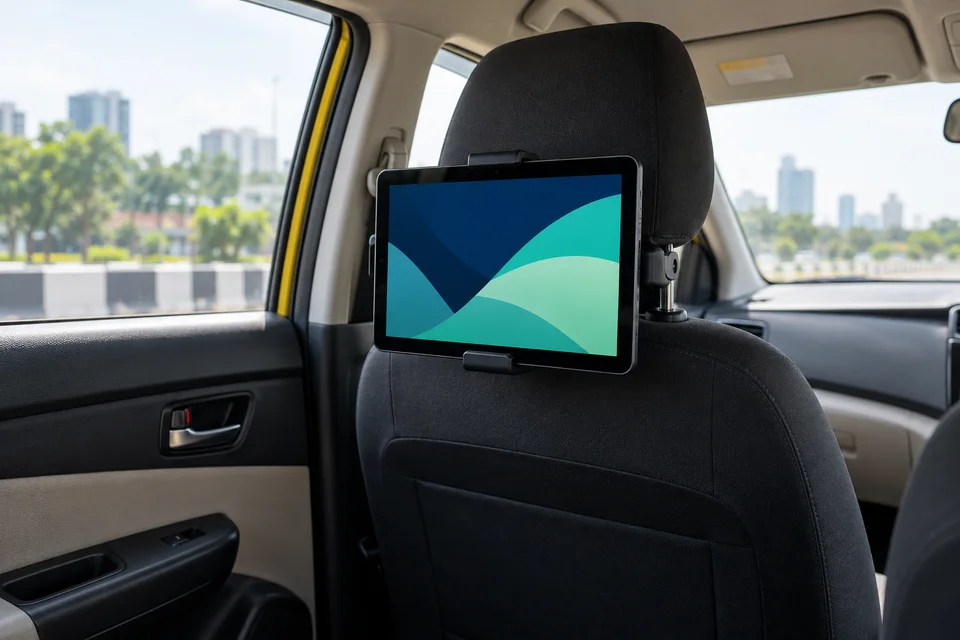
In-car screens
Video and scheduled creative on compatible screens, with playback responsibilities agreed before booking.
Screen availability and delivery capability are assessed for each brief.
Fitment, care and reporting
Screens can support video and scheduled creative where compatible inventory is available. Confirm hardware, content delivery and playback evidence before building them into the campaign promise.
Before launch
- Assess compatible inventory, power, mounting and content requirements.
- Agree who provides the screens, content system and connectivity.
During the campaign
- Define creative loading, playback checks and issue support.
- Confirm replacement and content-removal responsibilities.
What to record
- Agree device availability and proof-of-play records before booking.
- Separate playback records from audience attention and response.
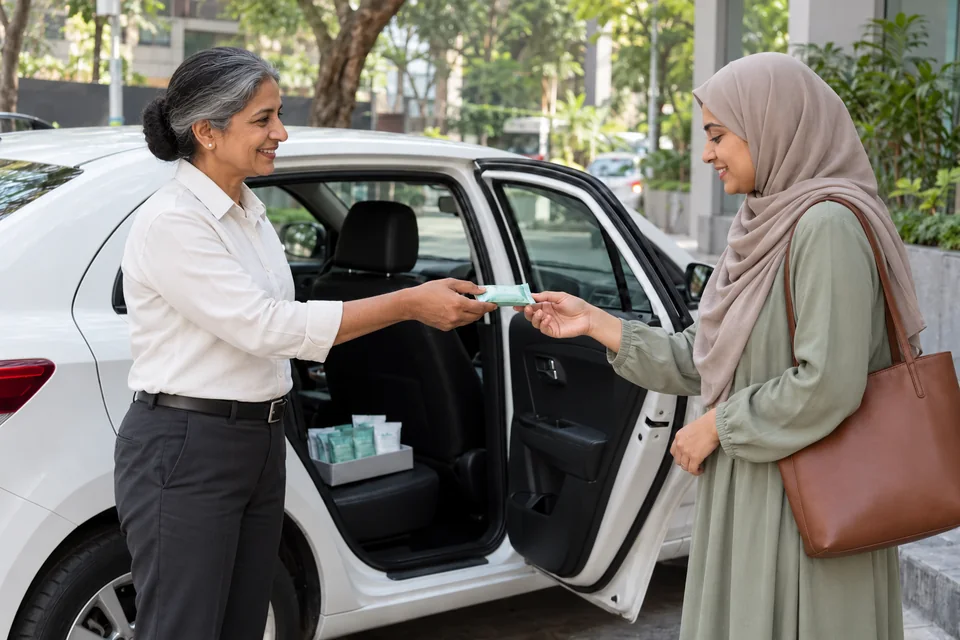
Product sampling
Introduce a product through a clear opt-in offer, organised stock and a well-briefed Captain.
Fitment, care and reporting
Opt-in sampling can put a product in a passenger’s hands. Brief Captains clearly and keep stock and handling organised. Make participation a comfortable choice.
Before launch
- Agree eligible products, quantities, storage and handling instructions.
- Prepare a clear opt-in offer and Captain briefing.
During the campaign
- Coordinate stock receipt, allocation and replenishment.
- Track distribution, remaining stock and the agreed close-out process.
What to record
- Reconcile issued, distributed, returned and unused stock.
- Report optional responses separately from samples handed out.
Where we fit
Inventory. Execution. Or both.
Start with what your team already has. Sparrow can assess suitable inventory, deliver the campaign on your existing vehicles, or bring the two together.
Find the inventory
Match location, dates, vehicle types and placement rights to the brief. Confirm the allocation and how changes will be handled.
Deliver on your inventory
Bring your vehicles or media rights. Agree the production, installation, care and removal Sparrow will manage.
Bring it together
Connect allocation and field delivery in one campaign plan, with launch readiness, changes and reporting clearly owned.
Working with your team
- Brands
- Keep approved creative and brand presentation consistent across the agreed vehicles. Set a practical launch plan and record what was delivered.
- Agencies & media companies
- Give your client a clear delivery commitment backed by inventory checks, field execution and reporting. Keep the account relationship while Sparrow manages the agreed work on the ground.
- Platform advertising teams
- Build physical vehicle media into your advertising offer with a partner for inventory and campaign fulfilment. Connect the commercial opportunity to capacity your team can actually book and deliver.
- Transit-media partners
- Fill a location or inventory gap in the campaign you manage. Add execution support where needed. Agree Sparrow’s scope with clear client ownership and reporting at each handover.
The work behind the placement
Good creative needs careful delivery.
The campaign keeps moving after installation. Plan how the placement will look, how it will be maintained and how the work will close.
Ready for launch
Adapt approved artwork to the vehicle, agree proofs and schedule fitment. Check the installation against the launch plan.
Cared for in service
Agree condition checks and a response to damaged material or unavailable vehicles. Keep changes visible to the campaign team.
Closed with a clear record
Arrange removal or extension, reconcile sampling stock and provide the agreed delivery record.
Campaign reporting
Know what ran. Learn what followed.
Agree delivery evidence before launch. Review placement and campaign continuity alongside the separate measures your team uses for audience response.
Give interest a useful next step.
Connect the placement to a relevant landing page or offer. Use a memorable address or a QR code where it is safe to engage, then review the responses that setup records.
Read the campaign response guide- Launch records
- Installed or activated placements, by vehicle and date, with agreed photographs and outstanding work identified.
- Campaign continuity
- Condition checks, substitutions and unavailable vehicle-days. Supported playback records for screens and stock reconciliation for sampling.
- Recorded responses
- Visits, enquiries or redemptions from agreed links and codes. Keep these separate from audience estimates, brand effects and sales attribution.
Bring the campaign brief
Where should your campaign appear?
Tell us the objective, cities, dates and formats. Include any inventory or media rights already arranged; a short brief is enough to begin.
Plan your campaignPrepare for the discussion
A campaign brief your team can share
- Campaign and timing
- Objective, cities, dates and preferred formats.
- What is already arranged
- Existing inventory or rights, approved artwork, production and agency responsibilities.
- Work to assess
- Inventory, execution or both, with installation, campaign care and removal requirements.
- Scope and reporting
- Indicative volume or budget if useful, delivery evidence and any separate audience-response method.
Turn available inventory into a dependable booking.
Inventory changes with location and dates as vehicle commitments shift. Confirm what can serve the campaign and when it will be ready. Agree how changes will be handled before committing to rollout.
- Place & period
- Tell us where and when the campaign needs to run. Include launch windows and any rollout phases.
- Vehicles & rights
- Identify the vehicle category, indicative quantity and placement. Confirm permissions and any category exclusivity requirements.
- Continuity through the campaign
- Agree the response to unavailable vehicles or damaged material. Define how substitutions work so fleet changes have a clear owner.
From campaign brief to final report.
Connect the campaign objective to confirmed inventory, approvals and field readiness. Give each stage an owner and a clear handover.
- Scope the campaign
- Agree the objective and buyer role. Define cities and dates with the formats and budget. Confirm existing inventory.
- Confirm the plan
- Check availability and rights. Define deliverables and reporting. Approve the commercial scope.
- Prepare & launch
- Adapt approved artwork to actual vehicle templates, approve print proofs and produce the material. Schedule vehicle access, then check installation or activation against the agreed launch plan.
- Care & close
- Agree condition checks, issue reports and repair or replacement responsibilities. Complete removal or extension; reconcile sampling stock where relevant. Review delivery evidence separately from audience response.
Illustrative campaign record
A placement check proves a placement check.
A fictional exterior-wrap example. EX-01 is a demonstration reference; there is no actual campaign, client, vehicle allocation or measured audience behind this record.
Scope
Identify the placement being checked.
EX-01 covers the agreed exterior panel and artwork version for a proposed campaign period. Vehicle-owner permission and artwork approval are separate prerequisites, not inferred from a photograph.
Production preparation
Pass on one approved version.
In this demonstration, the buyer approves artwork version A for the defined panel after checking the vehicle template and door seam. The installer receives that file, the agreed material and the permitted vehicle-access window.
First inspection
Record a defect before sign-off.
The sample condition note says a panel edge is lifting. Status: correction required. The installation contact owns the correction; the reference remains open rather than being counted as accepted.
Recheck
Record the acceptance and its limit.
The demonstration record says the edge was corrected and checked again. Status: installation accepted at recheck. This does not establish continuous deployment, vehicle movement or the number of people who saw it.
Closeout
Make removal a separate decision.
The sample closeout records removal approval, the material removed and the visible panel condition. An extension or substitution would need its own approval and updated record.
Read the sample review
- EX-01 · pre-launch check
- Artwork A, agreed exterior panel. Reviewer: installation lead. Edge lifting observed; correction required and launch acceptance pending.
- EX-01-R1 · after correction
- Installer corrects edge; installation lead rechecks. Accepted at this check only; ongoing deployment and movement are not established.
- EX-01-C1 · closeout
- Removal approved; material removed. Visible panel condition recorded for buyer review. No audience, impression or sales result is claimed.
These relative stages are fictional, not campaign dates. Real records need their actual dates and reviewers. Movement needs separate activity evidence; a QR visit is a recorded response, not an impression or campaign-caused sale.
Download this worked exampleAgree scope, responsibilities and commercial terms before committing to a start date or capacity.
Vehicle advertising: choose inventory, execution or both
Start with the work you need covered. A campaign partner can find suitable vehicle media or deliver the physical campaign. It can also bring both together.

Launching vehicle advertising: plan from artwork to removal
Connect the message, physical format and production schedule so the campaign can be installed, maintained and closed with clear responsibilities.

Turn vehicle advertising into a clear next step online
Connect exterior media, in-car placements and sampling to a clear digital destination. Match response tracking to the interaction.

What a transit advertising report should tell your marketing team
Separate physical delivery, vehicle movement, sampling and digital response so the evidence supports a useful campaign decision.
Vehicle advertising claims: match the message to the campaign evidence
Match campaign language to installation, activity and audience evidence without stretching what the records show.