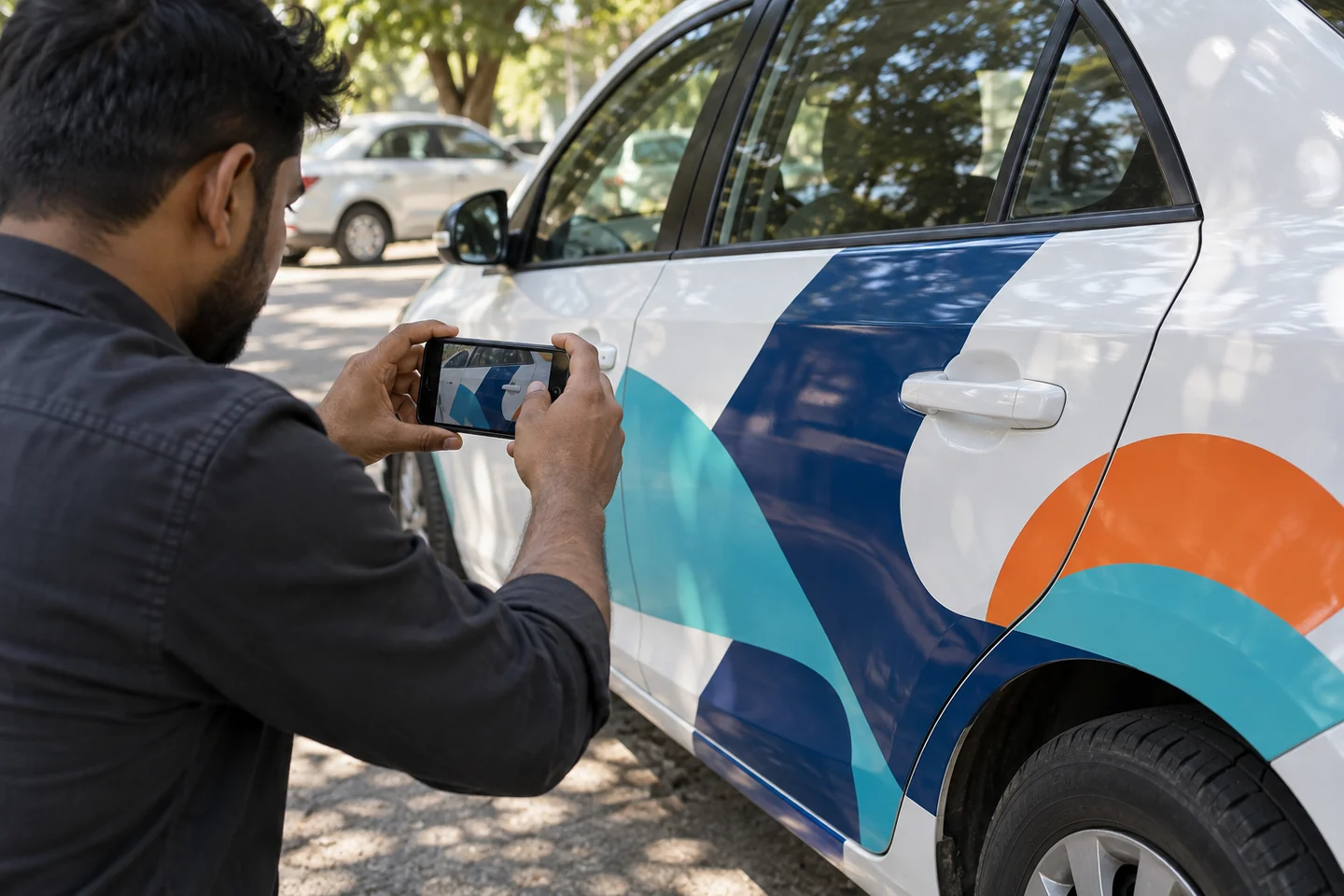
Vehicle branding brings advertising into the movement of a city. The creative surface is visible, but the work behind it includes selecting suitable inventory, coordinating installation, keeping the material in condition and documenting what was delivered. A clear campaign starts by connecting those responsibilities to the buyer’s objective.
Sparrow brings strategy, creative, media planning, on-road activation and measurement together. This guide looks closely at the creative, installation and delivery work within that wider offer, and at the evidence that helps a buyer understand how the campaign was delivered.
Define the campaign before choosing the format
Start with the market, campaign period and intended audience. A buyer may want broad presence, activity around a catchment or support for a particular event. Those intentions need to become a feasible scope: the format, eligible vehicles, duration, creative requirements and evidence expected at the end.
A vehicle count is meaningful only alongside those details. Availability for a new campaign must be confirmed, and the final order should explain substitutions, downtime, upkeep and removal. A visual concept is an aid to the discussion; it does not establish available inventory.
Connect the creative to the vehicle
The production brief should describe the surface and the vehicle configuration, along with artwork approval, fitment and acceptance. The fleet, vehicle owner, Captain, agency and production partner may each control a different part of the process. Their participation and applicable permissions need to be established for the proposed scope.
Installation is a practical handover. Identifying the unit, approved artwork, installation date and condition creates a useful starting record. It also gives later maintenance or replacement work a reference, so the campaign does not depend on someone remembering which version was installed.
Ask what each piece of evidence proves
An order records commissioned scope. An invoice records billing. A deployment photograph can support the presence and condition of a particular installation at a point in time. These records are related, but they do not answer the same question.
Movement records can describe where an eligible vehicle travelled when the data and usage rights support that report. They do not, by themselves, establish how many people noticed the advertisement. Audience estimates need an explained method, and claims about enquiries, visits or sales need evidence connected to those outcomes.
Design the closing report when the campaign starts
Agree the report’s purpose before launch. A physical-delivery report can describe the commissioned units, installation evidence, campaign period and exceptions. Any additional measurement should state its data source, coverage and limitations. This helps a buyer see what is observed, what is estimated and what remains unknown.
The strongest next step is a specific campaign discussion: objective, market, dates, preferred format and the evidence required to make a decision. That creates a shared basis for planning, delivery and review, with the physical campaign connected to the brand’s wider creative and response plan.