
Keep your delivery commitments on track.
Keep local deliveries, urban goods and hub-to-hub movements ready to go, including temperature-controlled requirements. Sparrow brings vehicle access, Captains, fleet management and local support into an agreed operating plan.
For fleet operators
ON THIS PAGEYour network
One missed run can disrupt more than one delivery.
Late departures, unsuitable vehicles and repeated capacity gaps put delivery commitments under pressure. A dependable fleet partner should take responsibility for readiness and recovery, without adding more daily chasing for your team.
Protect the working window
Connect vehicle fit, Captain coverage and readiness checks around your collection, departure and delivery windows. Give the next stage of the network capacity it can plan around.
Grow without rebuilding the operation
Bring vehicle supply, people and local support into one deployment plan for a new area or route. Confirm capacity before adding it to the network’s commitments.
Keep interruptions from becoming recurring gaps
Make vehicle care, energy access and Captain support part of the service. Give each interruption an owner, a response and a record to review.
Capacity for every kind of movement.
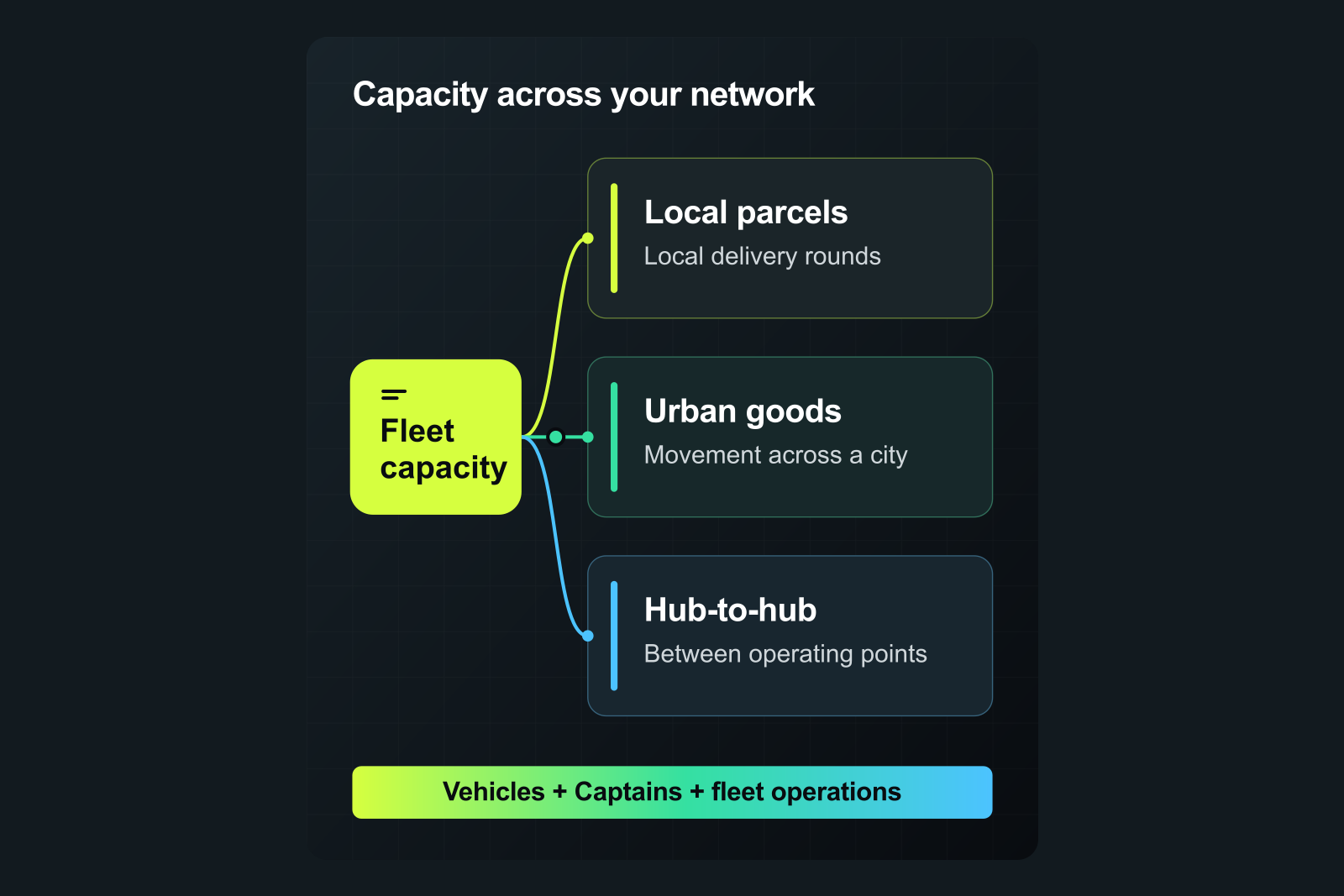
Local parcels, urban goods, hub-to-hub journeys and temperature-sensitive deliveries each call for a different fleet plan. Bring suitable vehicles, Captains and operating support around the commitment your network needs to keep.
Local parcels
Predictable coverage helps your network plan collection and delivery rounds with fewer last-minute fleet changes. Match capacity to stop density, parcel load and the working window.
Vehicle families to discussTwo-wheelers · Cargo three-wheelers · Light commercial vehicles
Operating support & readiness
Keep the parcel round ready to go.
What Sparrow can take on
- Suitable vehicles and Captains ready for the agreed round and reporting point.
- Vehicle care, energy access and local support through the working window.
- A clear response to missing capacity, breakdowns and changes to the agreed fleet plan.
What the fleet plan needs to protect
- Which collection windows and delivery rounds need dependable coverage?
- How does parcel size, stop density and daily volume change the capacity needed?
- How will readiness, missed rounds and recovery time be reviewed?
Urban goods
The wrong body, carrying capacity or access plan can lose a working window before the movement starts. Build vehicle fit and Captain readiness around the actual collection and delivery conditions.
Vehicle families to discussCargo three-wheelers · Light commercial vehicles · Medium commercial vehicles
Operating support & readiness
Move the right load without avoidable delays.
What Sparrow can take on
- Vehicle and body selection against weight, volume, access and handling requirements.
- Captain coverage and vehicle readiness around loading, unloading and waiting time.
- Maintenance, energy and interruption support for the agreed recurring or variable movement.
What the fleet plan needs to protect
- Which loads, access limits and handling conditions must the vehicle meet?
- Where do waiting time and uncertain availability disrupt the operating day?
- Which ready-time, movement and cost records will show whether the plan works?
Hub-to-hub
A missed departure can carry pressure into the next operating point. Plan vehicle and Captain readiness, turnaround and interruption response around the scheduled movement.
Vehicle families to discussLight commercial vehicles · Medium commercial vehicles · Heavy commercial vehicles
Operating support & readiness
Protect the departure that the next hub depends on.
What Sparrow can take on
- Assessment of vehicle category, load capacity and body fit for the proposed lane.
- Captain arrangements, planned vehicle care and readiness for agreed departure windows.
- A defined response to unavailable capacity, route interruptions and return-leg changes.
What the fleet plan needs to protect
- Which departure windows and downstream connections need protection?
- How do load, frequency, turnaround and return legs shape the requirement?
- How will departure readiness, uncovered runs and recovery be recorded?
Temperature-controlled
Protect the goods through every handover.
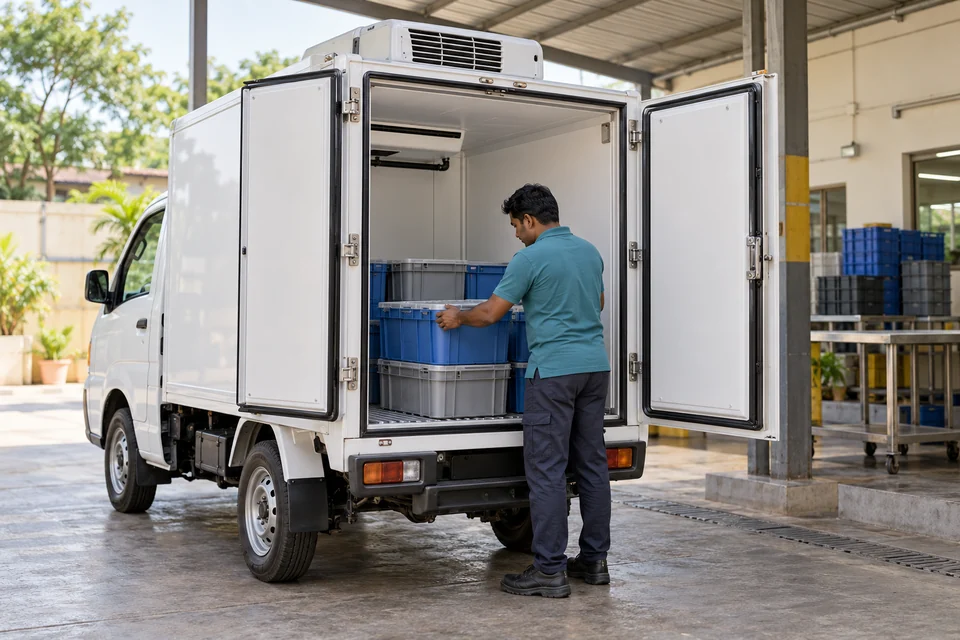
Plan local or hub-to-hub deliveries where goods need chilled, frozen or another specified temperature range. Assess vehicle suitability, handling and operating requirements around the product and the whole journey.
Vehicle families to discussRefrigerated or suitably insulated LCVs · Temperature-controlled MCVs and HCVs
What needs to be agreed
- Assess suitable vehicle and body options against the required temperature range, load and journey duration.
- Agree Captain handling instructions, loading and unloading conditions, and responsibility at each handover.
- Define temperature records, checks and the response to delays, equipment faults or readings outside the agreed range.
Planning the delivery
What the fleet plan needs to protect
- What goods, quantities and temperature range must the movement accommodate?
- What are the routes, delivery windows, stop patterns and packaging or handling needs?
- Which temperature records, handover checks and contingency arrangements must be in place?
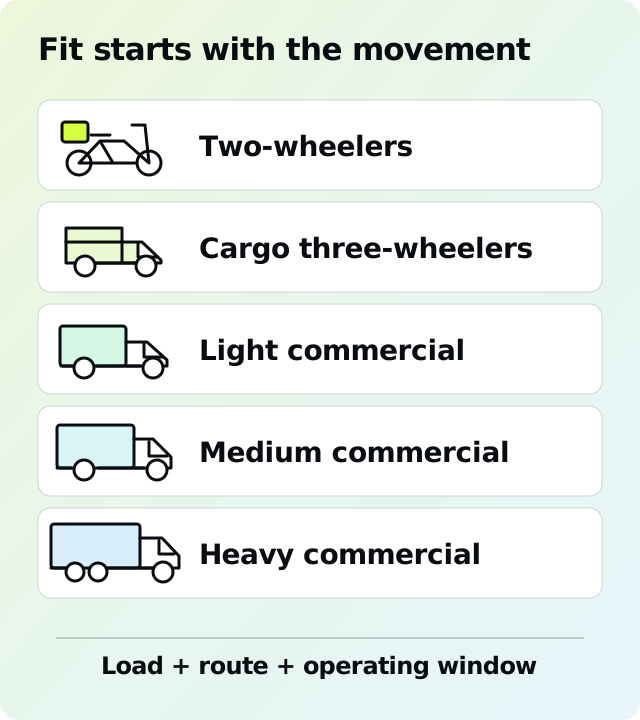
The right vehicle protects the whole movement.
Assess two-wheelers, cargo three-wheelers and light, medium or heavy commercial vehicles against the job. The goal is useful capacity: a load that fits, access that works and support that keeps the vehicle ready.
- Load and access
- Match weight, volume, body needs and loading conditions with access at each operating point.
- Temperature and handling
- For temperature-sensitive goods, specify the required range, packaging, journey duration and handover conditions. Assess whether refrigeration, insulation and the proposed checks can meet that requirement.
- Route and working window
- Consider stop patterns, run length, utilisation, turnaround and the hours that capacity must be ready.
- Energy and support
- Assess EV suitability where it fits, with battery swapping for electric two-wheelers and suitable charging or energy arrangements for other vehicle categories. Plan maintenance and Captain support alongside the vehicle.
These vehicle families describe the programme range to assess. Availability and deployment are confirmed in the fleet plan.
Show us where capacity is holding the network back.
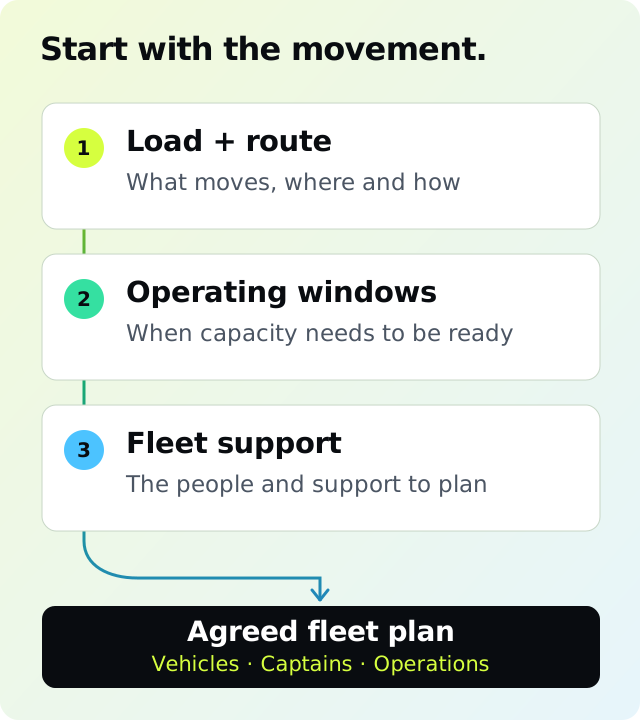
Bring the movements, working windows and recurring fleet gaps. Build an operating arrangement with clear readiness commitments, local support and a practical path to adding capacity.
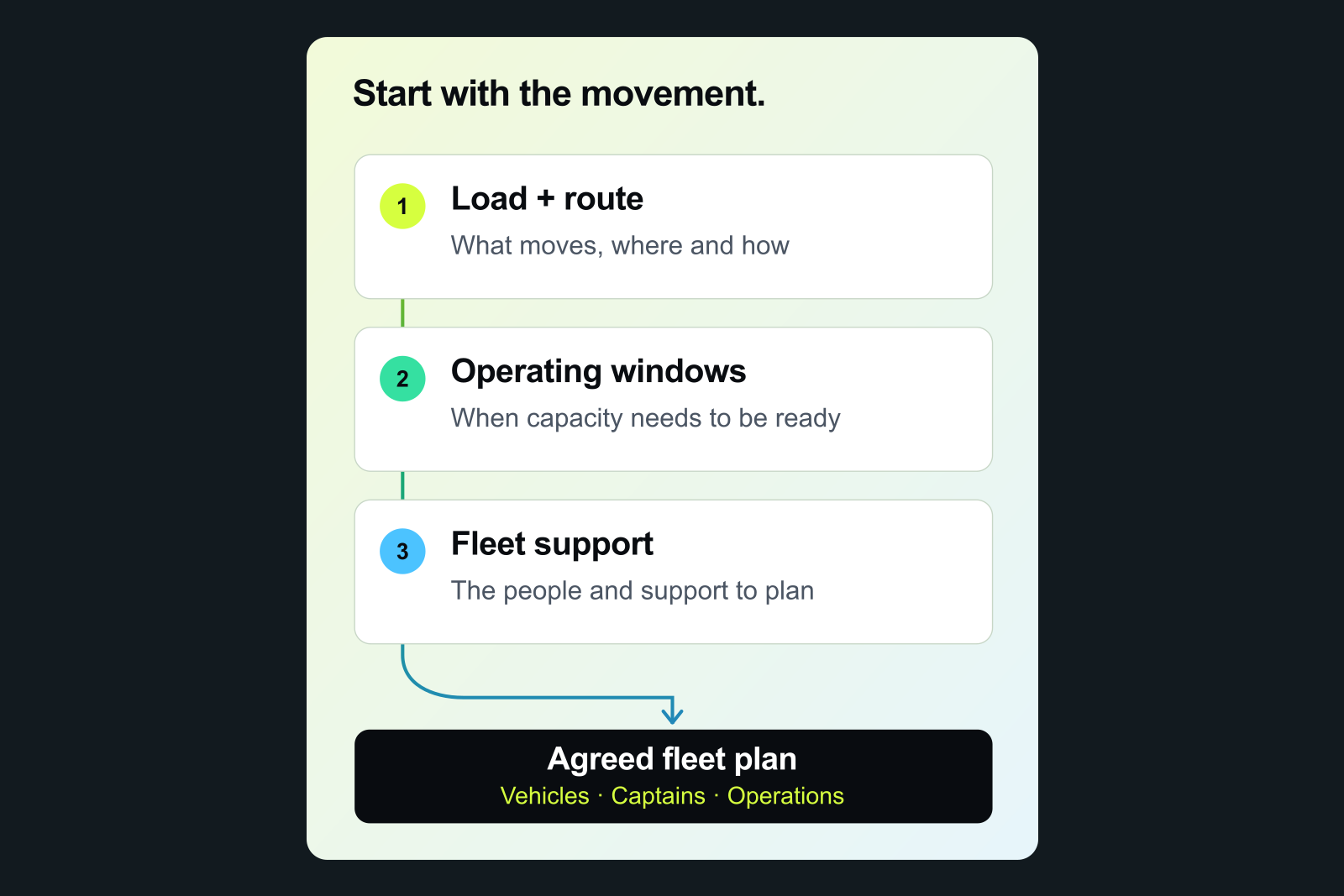
Start with the service commitment
Share the routes, loads, reporting points and time windows that must work. Include any temperature range, special handling and monitoring requirements, as well as where interruptions are most costly.
Define the arrangement
Agree the vehicle mix, Captain requirement, fleet responsibilities, support response, costs and measures of delivery.
Check readiness and begin
Confirm the vehicles, people and local support for a focused scope. Review readiness and service performance before extending it.
A few practical questions.
Can the arrangement cover vehicles only?
Yes. Vehicle access, vehicles with Captains, fleet management and delivery hub support can be discussed individually or together. Leasing, vehicle purchase support and drive-to-own depend on suitability, availability and the specific commercial terms.
How do you select the vehicle family?
Start with the load, body needs, locations, site access, route and working windows. The planning guide is a starting point; suitability and supply are checked against the actual operating requirement.
Can we discuss climate-controlled or refrigerated deliveries?
Yes. Temperature-controlled deliveries sit within Logistics. Share whether the goods need chilled, frozen or another specified range, along with the load, route, delivery windows and handling needs. Vehicle availability, suitability, temperature records and contingency responsibilities are assessed and agreed before a deployment is confirmed.
Can we explore electric vehicles?
Yes. Evaluate the route, load and working pattern alongside vehicle access, maintenance and local support. Sparrow’s electric two-wheeler model uses battery swapping; other vehicle categories use the energy arrangement suited to their duty. Phase the transition where the operating plan supports it.
How does the fleet service fit our existing workflows?
Agree the fleet reporting, operating contacts, support responsibilities and response to interruptions around your existing working processes. Any technology or data connection is defined within that scope.
Can the programme include hub operations and order fulfilment?
Yes. The programme can connect transport and delivery execution with delivery hub support for vehicle, energy and Captain readiness, physical handovers and continuity. Define the locations, people and responsibilities around that movement. General warehousing or pick-and-pack services require a separate assessment and scope.
Practical thinking for the movement ahead.
Choose the fleet around the load and the route
Connect vehicle size, body type and local access with the work your logistics network needs to move, from small parcels to larger scheduled loads.
Article
Balance dedicated capacity with changing demand
Build a fleet arrangement around regular work, variable demand and the responsibilities that make each option useful to your logistics operation.
Article
Measure the fleet capacity your network can use
Make vehicle readiness, Captain availability and operating response visible against the locations, routes and windows your logistics service requires.
Article
Plan temperature-controlled deliveries from loading to handover
Turn the goods, journey and handovers into a clear brief for suitable vehicles, Captains, monitoring and a response to interruptions.
Article