In this article
Name the claim before choosing the proof
“Installed on vehicles,” “active in a city” and “seen by an audience” describe different things. A photograph may support the first statement while saying little about the other two. Start a vehicle media brief by listing the claims the campaign team expects to make, then identify the evidence needed for each one.
This makes a vehicle media conversation more precise. Specify the vehicle group, campaign period, geography and creative version. If the information is still provisional, say which part is planned. A well-presented report should not make an estimate look like an observed result or make a limited sample look like the whole campaign.
Keep installation and activity evidence distinct
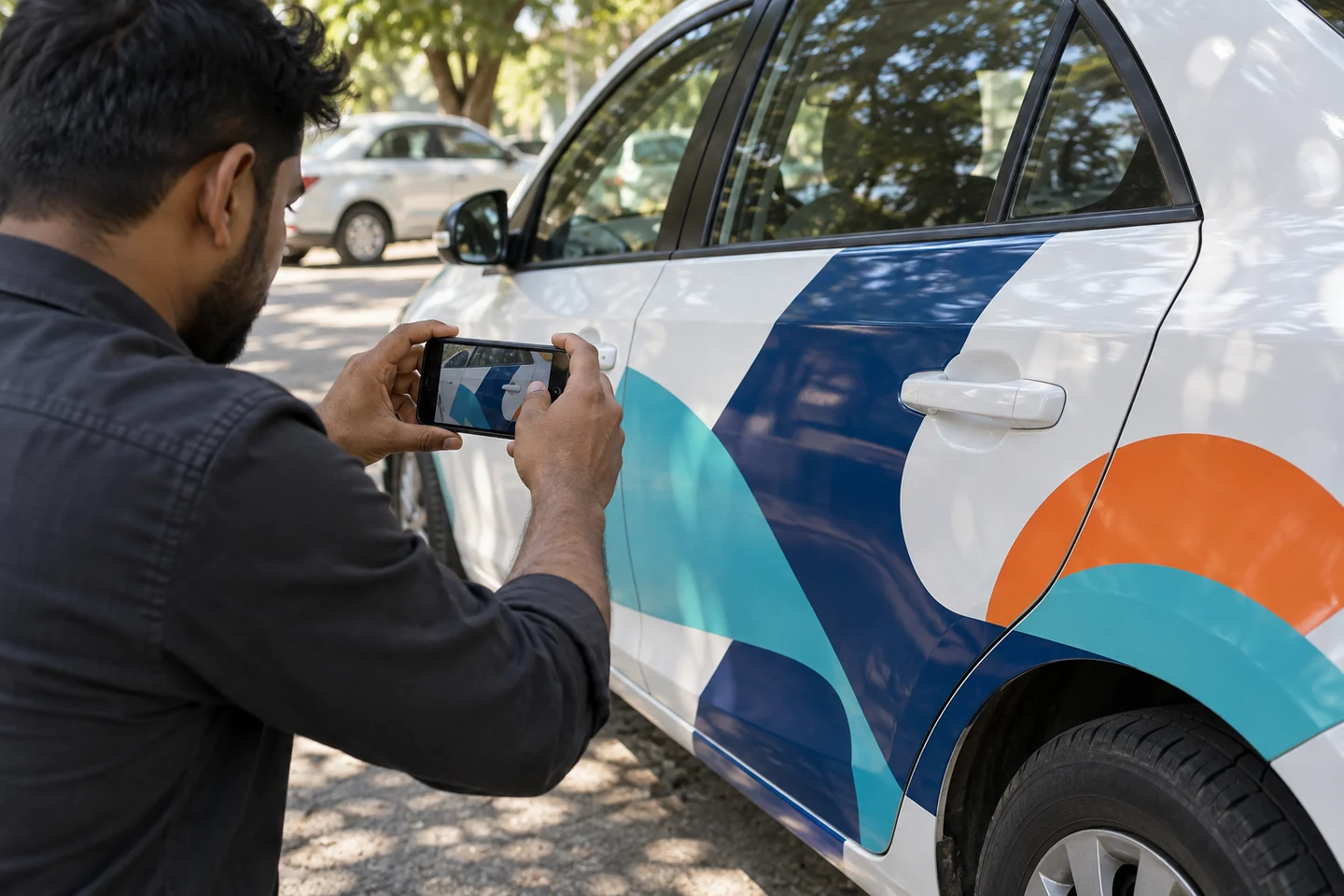
Installation records can identify which vehicles carried which creative and when the work was checked. They may include approved photographs, placement details and records of removal or replacement. Vehicle activity requires a different account of where and when the relevant vehicles were operating, with appropriate permission and safeguards for any underlying data.
Explain gaps and changes instead of compressing them into a single campaign status. A vehicle may have been wrapped but unavailable for part of the period; the campaign artwork may have been replaced after a check. Keeping those events visible allows a reviewer to understand the difference between the intended deployment and the evidence of what actually happened.
Treat audience and response claims carefully
If audience exposure is estimated, describe the method, assumptions and relevant limitations. Do not convert vehicle kilometres or photographs into a precise audience claim without a suitable basis. Similarly, a tracked digital response can show activity through a particular link or code without establishing every person who saw the vehicle or proving that the campaign caused a sale.
The US Federal Trade Commission’s substantiation policy expresses the principle that advertising claims need an appropriate evidential basis. This is a US policy reference, not a statement of Indian law. Its useful discipline for campaign planning is straightforward: consider what the words communicate and whether the available evidence actually supports that meaning.
Make the qualification part of the message
Keep the period, geography, sample and measurement method close to the claim they qualify. A headline about an entire campaign should not depend on a small note that quietly limits it to a few vehicles or days. If a limitation materially changes the interpretation, it belongs in the main explanation.
Agree review responsibilities with the brand, agency and relevant partners before publication. Keep a record of the wording approved, the evidence available and any later correction. The goal is an account that another person can inspect and understand: what was delivered, what was observed, what was estimated and what remains unknown. That clarity makes a campaign review useful for the next planning decision.