Carry the idea beyond the street
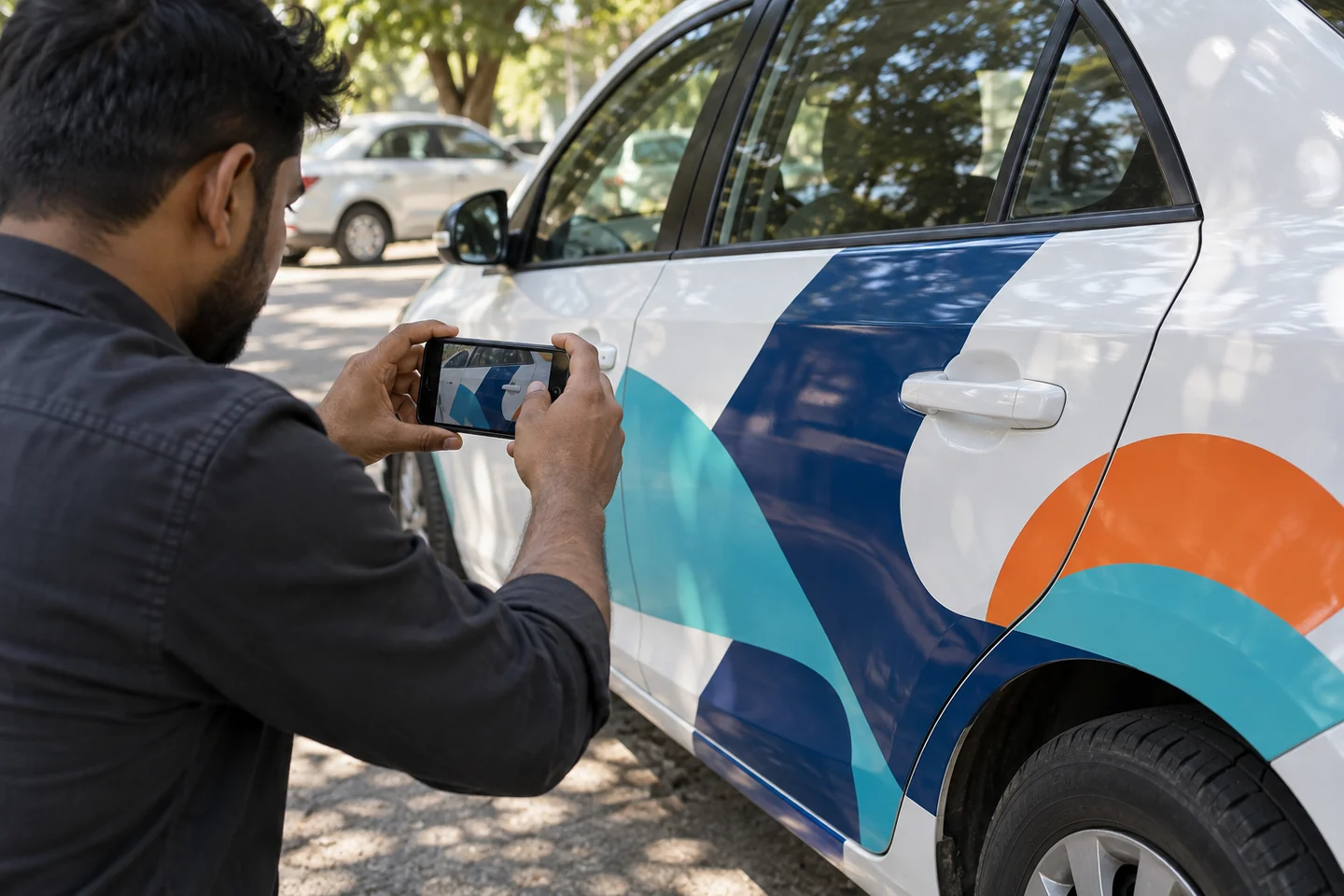
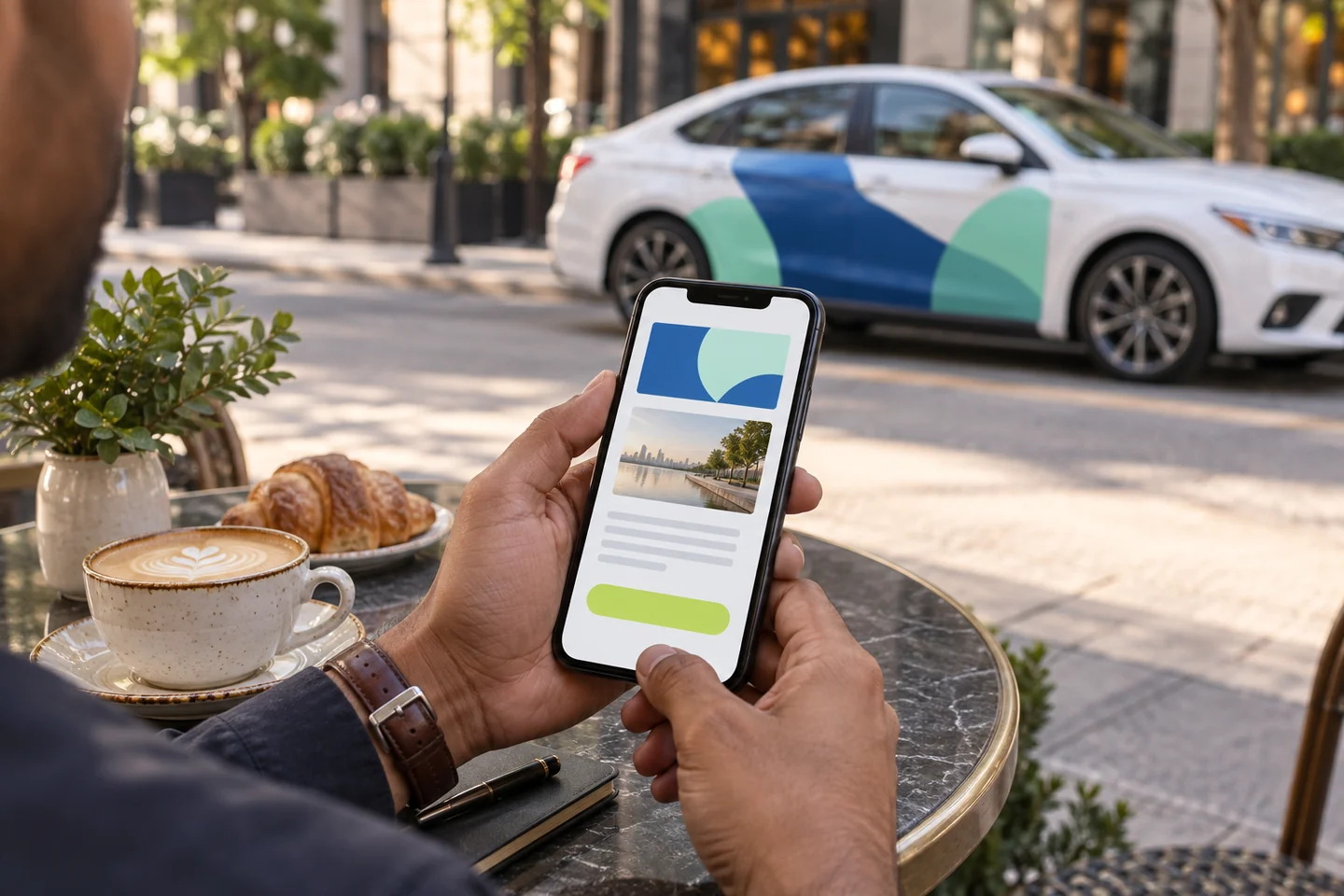
Someone notices your campaign on a cab. They may remember the name, look it up later or act on an offer. A connected campaign thinks about that next moment while the street creative is still being developed.
Start with a useful destination: a product page, a booking route, an enquiry form or a specific offer. Keep the message and visual cues familiar so people know they have arrived in the right place.
Make the next step easy
Use a memorable address and a reason to visit. A QR code can help in a suitable stationary setting, but the campaign should still make sense without a scan. Nobody should need to interact with a phone while driving to understand the message.
Check the page on a phone. Make the main action easy to find, remove unnecessary form fields and test the complete route before the vehicles go out.
Connect response with learning
Campaign-tagged links can help distinguish traffic arriving through a dedicated campaign route. Google Analytics documents how URL parameters identify referring campaigns; consistent naming makes those reports easier to read.
Choose the actions that matter, such as a completed enquiry or an offer redemption. Read them alongside the wider campaign: a tagged visit records a response through that route, rather than everyone who noticed the advertising.
Give follow-up a purpose
Retargeting can be considered for eligible website visitors through a brand’s chosen advertising platform. It needs an appropriate technical setup and permissions. Seeing a cab does not automatically identify a person or add them to an advertising audience.
Plan the follow-up message around what would help someone decide: useful detail, a relevant reminder or a clearer offer. Sparrow’s full-funnel approach connects these choices with the transit brief; the digital tools and delivery plan are selected for the campaign.