Start with the question
What would make the campaign useful to your business? A launch might focus on recognition. A local offer might invite enquiries or visits. Decide what you need to learn while the brief is taking shape, then build a reporting plan around that question.
The strongest report is easy to discuss. It connects the original objective with the work delivered, the available evidence and the next decision.
Show what went live
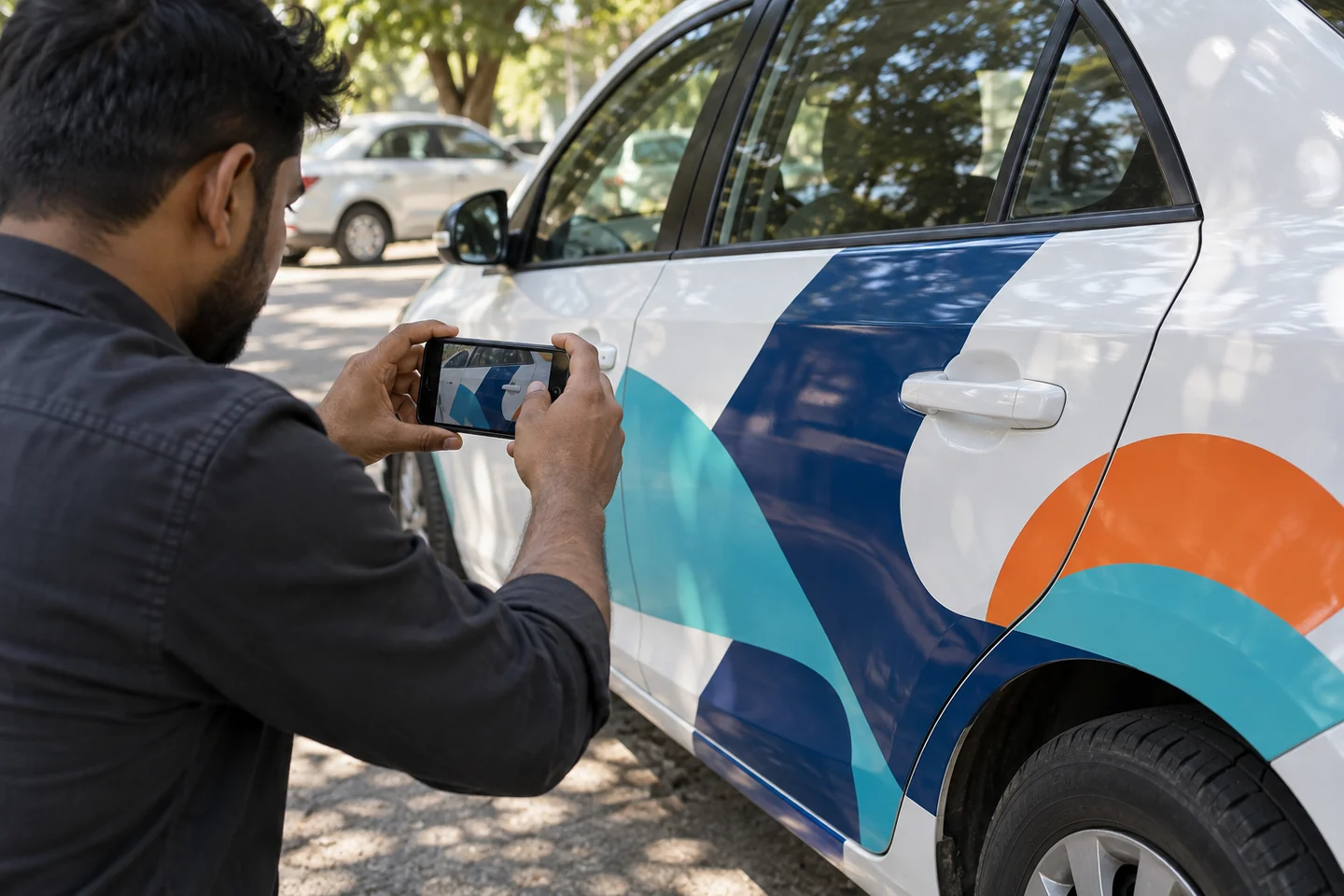
Record the agreed vehicles, formats, dates and creative. Installation photographs help show how the campaign appeared on the vehicle; field updates help explain its condition and any changes during the campaign.
Keep delivery changes visible. If a vehicle is unavailable or creative needs attention, the campaign record should show what happened and how it was handled. This makes the final account more useful than a folder of launch photographs.
Understand presence and response
Where reliable movement data is available, it can help describe where participating vehicles travelled. An audience estimate needs a separate method and clear assumptions. Vehicle movement alone does not count the people who saw the creative.
For a response-led campaign, prepare a dedicated landing page, campaign link or offer code. Track the actions that matter, such as completed enquiries or redemptions, and explain what each number represents.
Use the findings
Read delivery and response together. A busy route, a strong creative idea and an easy next step play different parts. Low response may prompt a closer look at the offer or landing page as well as the media plan.
If the question is whether advertising caused an increase in sales or brand awareness, agree a suitable study design in advance. A delivery report cannot answer that alone.
Sparrow includes measurement in campaign planning so the close becomes a useful starting point for what comes next.