Environment & Impact
Care for people, vehicles and places.
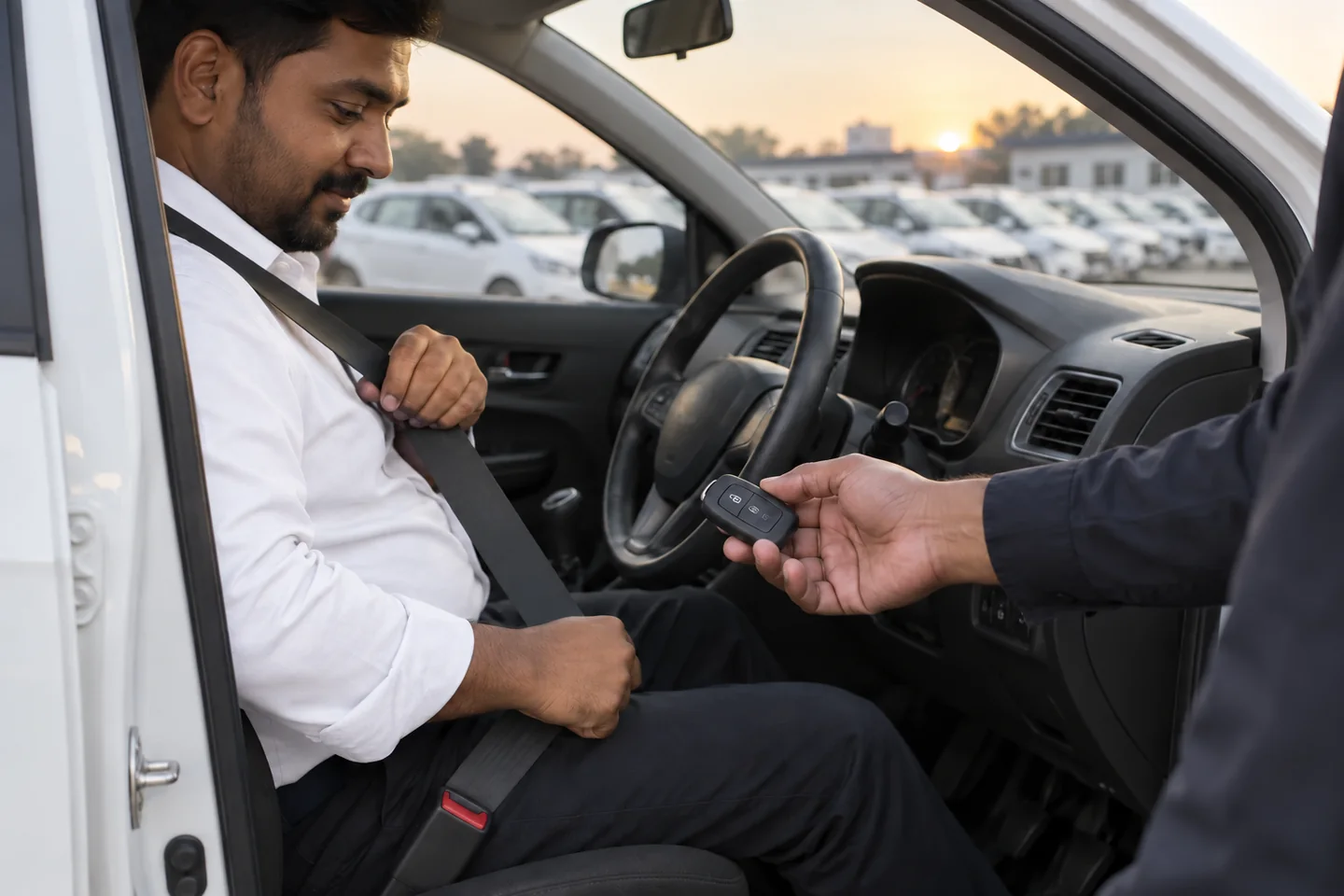
Cleaner vehicles, longer asset lives and stronger livelihoods. These priorities shape our work with people and places.

Where we want to make progress.
Our direction for action and collaboration; measured outcomes need evidence.
Cleaner mobility
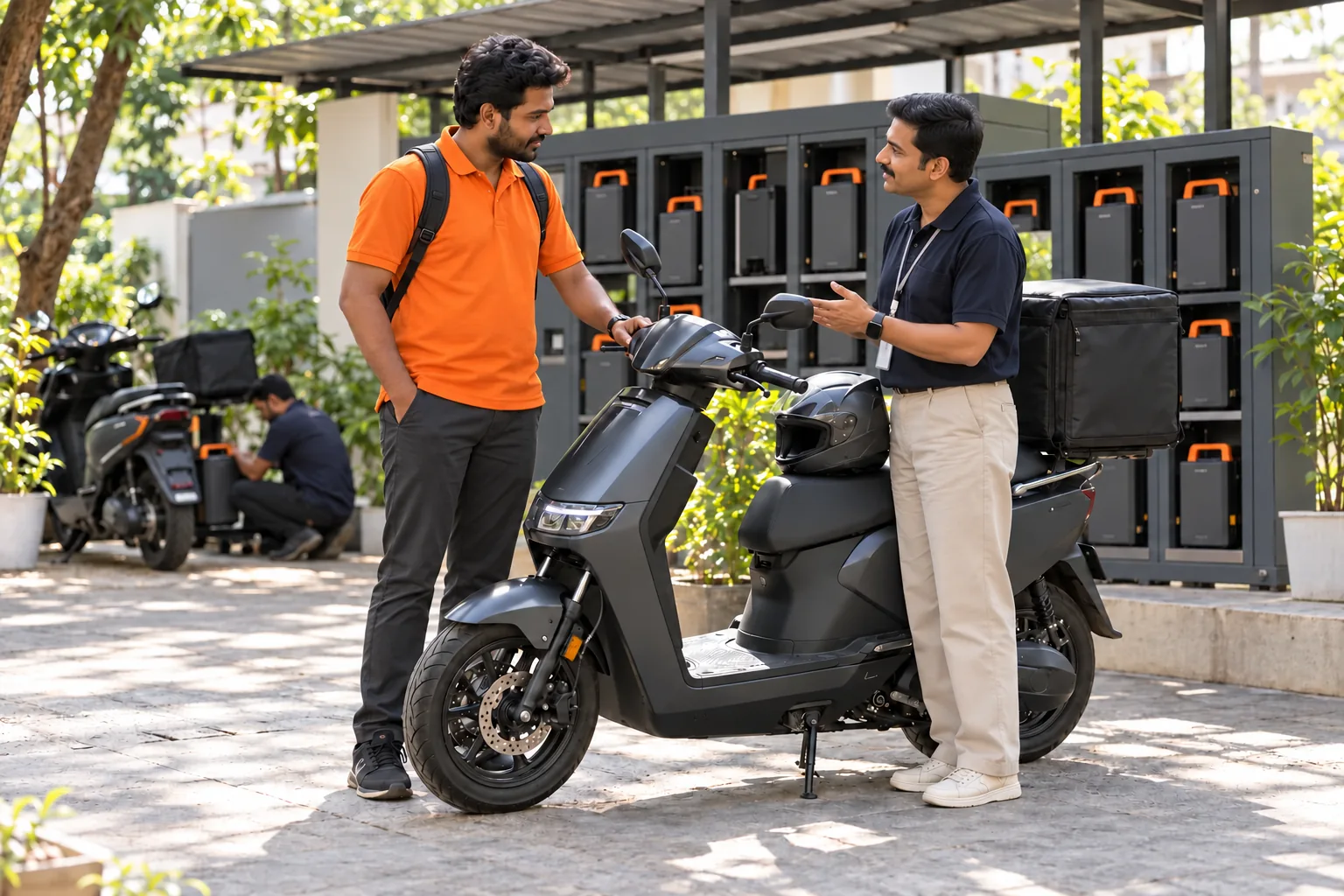
Match electric vehicles to the work, with suitable energy access and support.
Longer vehicle lives
Connect maintenance and repair with responsible vehicle and battery handling.
Livelihoods & access
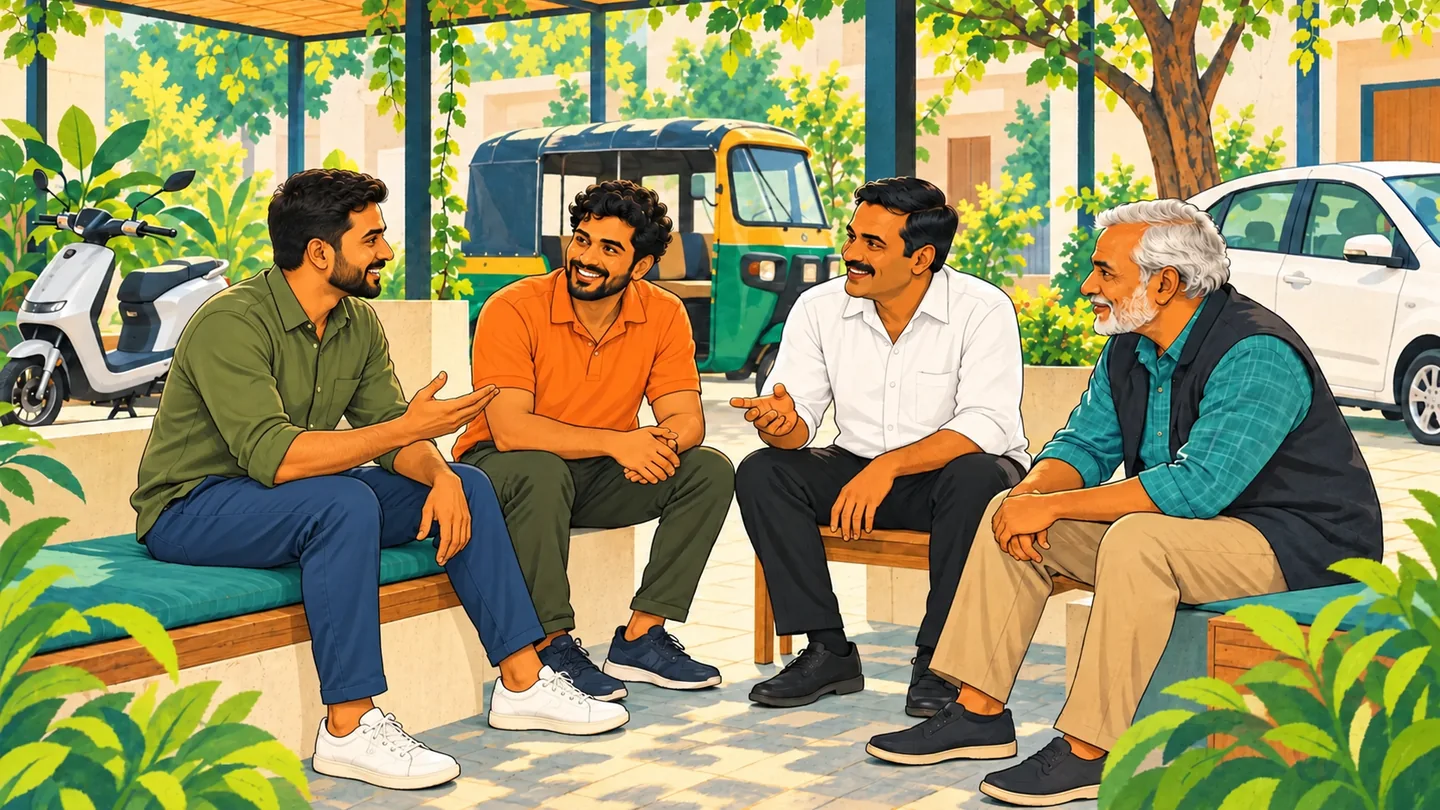
Listen to Captains and communities about the work and transport they need.
Learn before making claims.
Define the question, listen to participants and examine the evidence. Our research example illustrates an approach; it reports no measured outcome.
Explore an illustrative research approach
An illustrative research note
Start an evidence note before a result.
Example question: how might access to compatible energy support affect the availability of a delivery vehicle?
- Scope to define
- Vehicle type, location, intended service and period. State which people and activities are included and excluded.
- Starting point
- Observation not yet collected. Agree the current energy arrangements, interruptions and record sources before any comparison.
- Method
- Define an observation window and comparison approach. Record changes in demand, working patterns, vehicle condition and other possible influences.
- People’s perspective
- Ask willing participants what access takes in time, cost and effort, and what the record misses. Agree consent and how findings may be used.
- What remains unknown
- No result is stated. This question alone would not establish lower emissions, better livelihoods or a wider benefit without the relevant evidence.
What could we improve together?
We welcome institutions, researchers and community organisations. Tell us the question or local need you want to explore.