In this article
Choose the next step before designing the creative
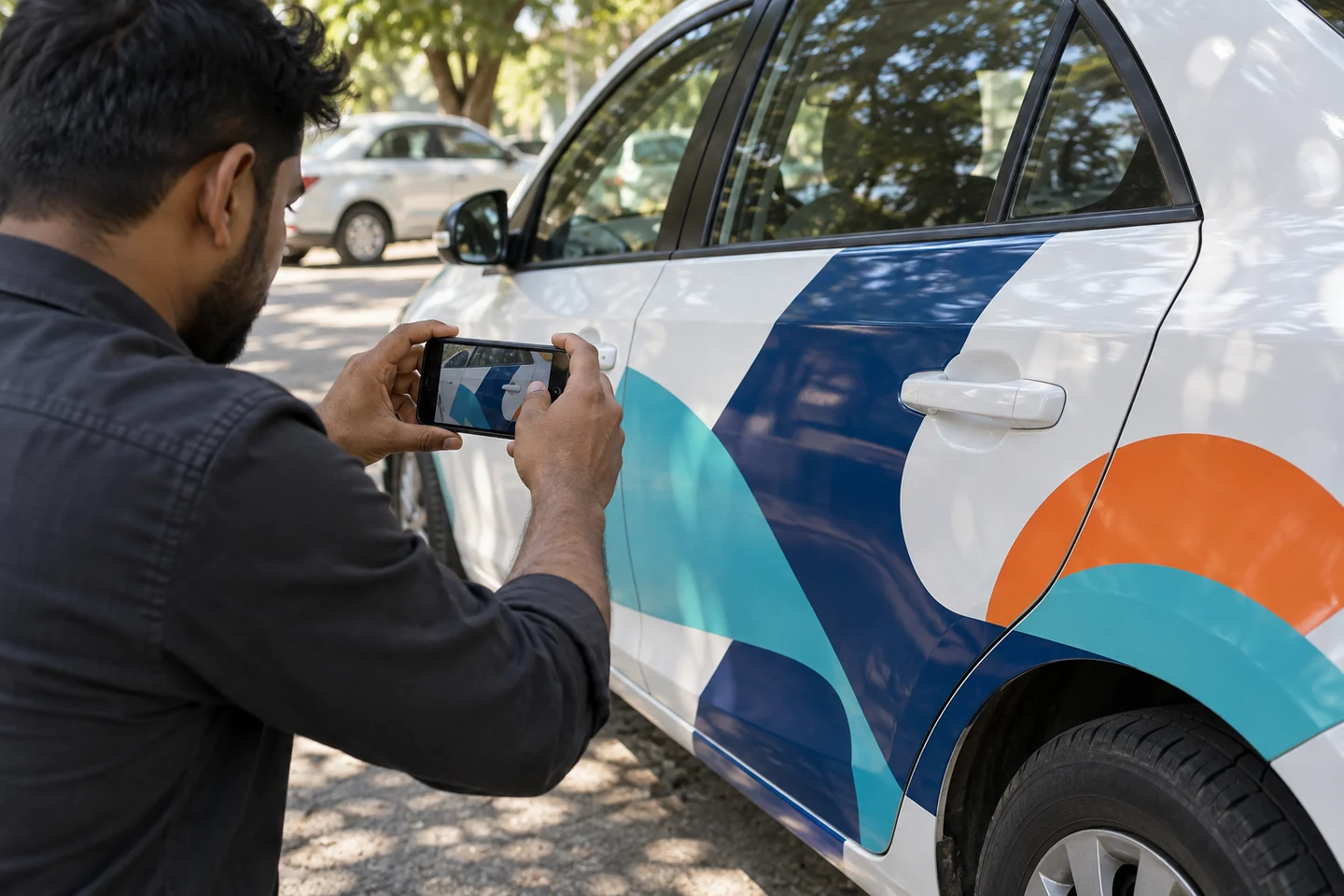
Someone may remember a name from a vehicle wrap, read an interior placement during a journey or take a product sample home. Each encounter gives the brand a different opportunity to help that person continue exploring. Decide what the useful next step is while the physical campaign is being planned.
The destination might explain a product, show a nearby outlet, redeem an offer or accept an enquiry. Give it one clear purpose. A campaign becomes harder to follow when the physical message promises something the destination makes difficult to find.
Match the response route to the setting
Exterior creative often needs to work in a brief glance. A memorable name or address can help someone find the brand later. A QR code should be used where a person can comfortably and safely scan it; the message should remain understandable without requiring interaction with a moving vehicle.
A passenger-facing interior placement can offer a more considered invitation. A sample pack can carry a product guide, offer or feedback link that remains available after the journey. Check the code size, contrast and printed result on the actual material. Test it with ordinary phones under the expected viewing conditions.
HM Treasury’s Magenta Book evaluation guidance separates delivery records from outcomes and causal impact. A QR scan or landing-page visit is useful response evidence; it needs further context before becoming a claim about additional sales.
Make the destination feel connected
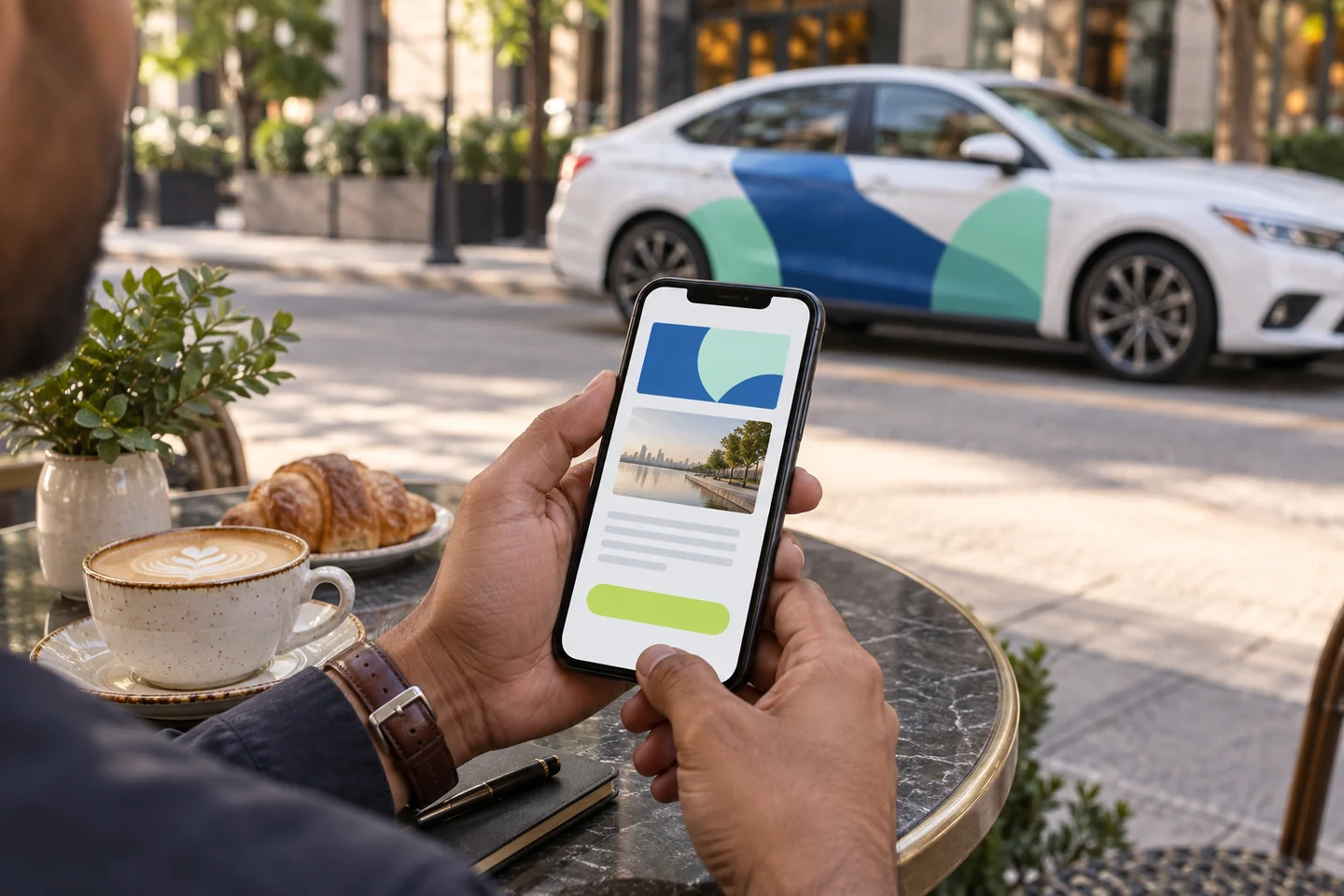
Carry the campaign’s language, visual cues and offer into the page people open. Explain the benefit promptly and make the main action visible. Ask only for information needed for that action. Check loading, readability and completion on a phone. Include any offer terms or location choices in the check.
Assign responsibility for keeping the destination working throughout the campaign and for handling the enquiries or redemptions it receives. Test the full route from the printed code or link to the final confirmation. An attractive landing page is only one part of that journey.
Check digital screen compatibility separately
An in-car screen is a distinct media arrangement. Confirm that the required inventory exists, who controls it and which creative formats it supports. Review screen placement, content scheduling, connectivity, maintenance and the records available when a screen is offline.
A screen’s interaction method may differ from a printed placement. Establish whether it supports a link, code or another approved action before designing around it. Native advertising inside a ride-hailing app also has its own platform arrangements. Physical vehicle access alone does not provide access to those digital surfaces or their audience information.
Set up a response record you can interpret
Dedicated links, campaign tags or offer codes can help distinguish responses through an agreed route. Decide how cities, formats or creative versions will be identified. Keep that naming consistent across production and reporting. Avoid creating so many variants that the team cannot maintain them accurately.
A scan, visit, submitted enquiry and redeemed offer are different events. Define which ones the report will count and how repeat activity is handled. Someone who notices a wrap and searches for the brand later may not appear through the dedicated route. A shared link may reach someone who never saw the vehicle.
Make follow-up purposeful
Explain what happens next and who will respond when a visitor chooses to provide details. Keep feedback or marketing follow-up choices understandable. A physical encounter with the campaign should not be treated as permission to identify or contact the passenger.
Bring the physical format, destination and response requirements into the campaign enquiry. Sparrow’s campaign scope can then identify the field work involved and the digital responsibilities that remain with the brand, agency or an agreed specialist.