Growing a two-wheeler delivery network takes more than adding names to an onboarding list. A food delivery app also needs experienced Captains who can continue working, with suitable vehicles and support when something interrupts their day. Repeated replacement of departing Captains consumes effort while leaving the underlying conditions unchanged.
Retention is therefore a useful starting point for a fleet partnership discussion. Which barriers make it difficult for a Captain to remain active, and which of those can a vehicle and operating partner address? This guide sets out a way to examine that question.
Make the working arrangement understandable
Start with the practical terms a Captain experiences: access to a suitable vehicle, payments and deductions, energy costs, maintenance responsibility and the route for getting help. A low headline vehicle payment can be a poor guide if other costs or downtime are unclear.
Explain what is included, what remains the Captain’s responsibility and what happens when the vehicle cannot be used. Predictable treatment of a disruption matters alongside the normal working arrangement. The goal is a proposition people can understand before joining and evaluate from their actual experience.
- Before joining: explain vehicle access, payments, energy costs and maintenance responsibilities.
- During work: provide a known contact and an update when support is needed.
- When work pauses: distinguish a temporary interruption, an agreed break and a decision to leave.
Connect the vehicle to its support system
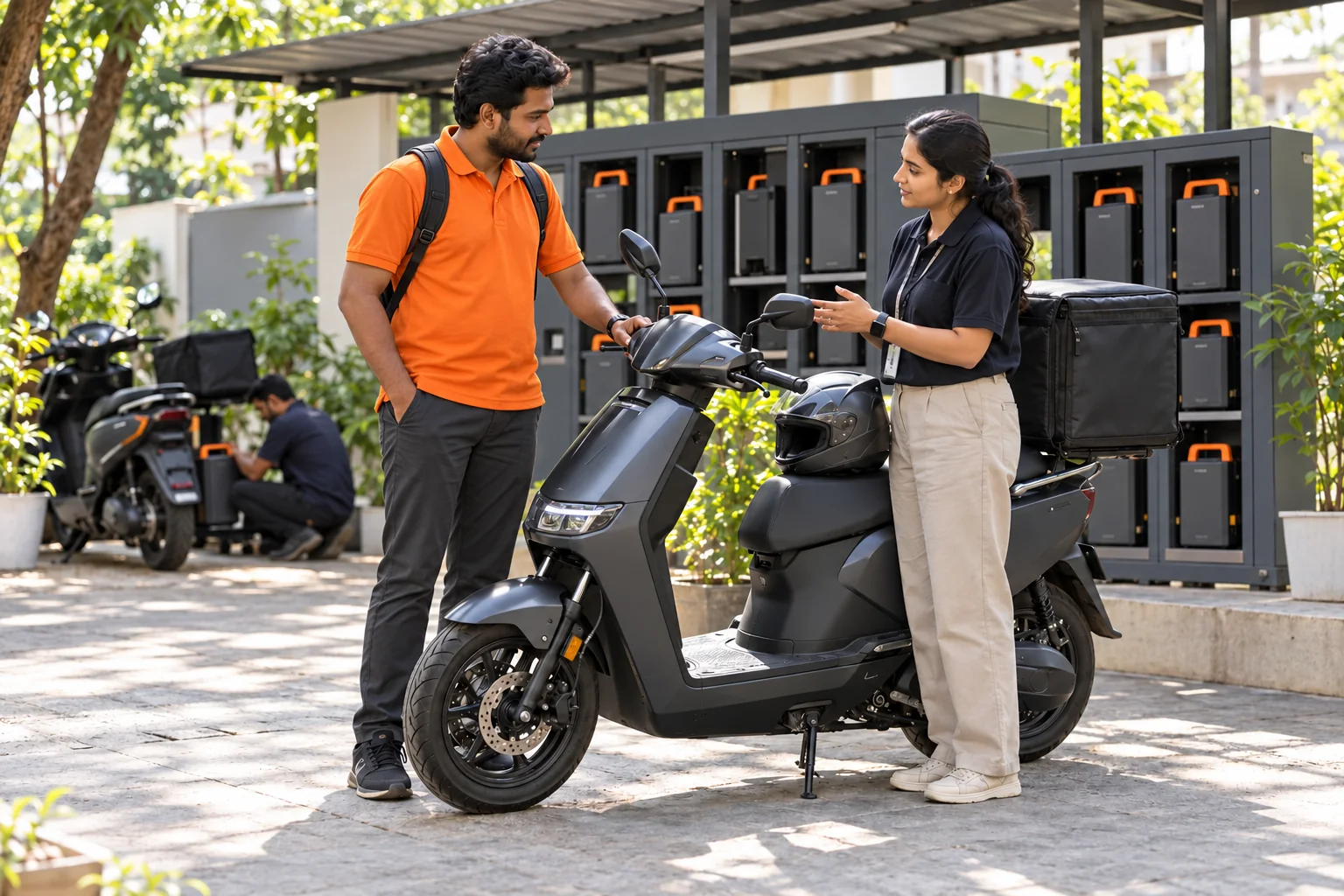
An electric two-wheeler is useful working capacity when energy, care and recovery fit the operating day. Sparrow’s model uses battery swapping, planned around the routes, working windows and location of support. A distant or unreliable arrangement can turn a nominal saving into time away from work.
Treat vehicle access, energy support and maintenance as a connected operating design. Decide how an issue is reported, who owns the response and what happens while it is resolved. Any replacement or recovery arrangement should have an agreed scope rather than depend on an informal expectation.
Listen to the people who stay and leave
Review Captain feedback alongside the operating record. Separate a temporary interruption from a decision to stop participating, and distinguish vehicle or support problems from other reasons. Platform earnings, personal circumstances and the appeal of other work can also affect a decision to remain active.
Measure a defined starting cohort over an agreed period. State what counts as active, record returners separately and avoid mixing newly recruited Captains into the original cohort. That makes the retention discussion more useful than comparing two total headcounts.
Build continuity into the partnership
Sparrow brings vehicles, Captains and operations together, powered by proprietary technology and a physical infrastructure stack. In a food delivery partnership, that means considering the conditions for sustained participation alongside the capacity needed for growth.
A useful first plan names the operating area, the Captain cohort, the vehicle and energy arrangement, the support responsibilities and the review measures. Compare Captain continuity with ready capacity, interruptions, feedback and the full cost of the arrangement. Improvement should be demonstrated in that evidence; retention is a shared outcome, not a percentage to promise before the work begins.