Food delivery demand can bunch around a meal window, while individual restaurants reach their busiest point at different moments. A vehicle count for the whole day says little about whether the right support will be available at the right collection points. The plan needs to connect the time window, the locations and the work around each order.
Begin with actual order and operating records where partners can provide them. Separate observed patterns from a merchant’s estimate or a new market assumption. A prospective pilot can start with incomplete evidence, but the unanswered questions should remain visible when the scope and commercial arrangement are discussed.
This brief is intended for food delivery apps considering external fleet capacity or operating support. The app owns the consumer order, routing and service offer. Sparrow’s Food Delivery solution brings vehicle access and Captain coordination to that requirement, with an agreed app–fleet interface and commercial scope.
Describe the window and the catchment
Name the restaurants or pickup cluster, the delivery area and the operating window under consideration. Add the parts of the day when access, parking or preparation becomes difficult. The shape of the work matters: repeated collections from one location differ from scattered pickups across several busy streets.
Ask what changes at the start and end of the window. Captains and vehicles need to be ready before assigned work begins, and the last active orders still need a completion or exception plan. Avoid treating a scheduled end time as permission to leave an unresolved handover without an owner.
Connect capacity to the slowest handoff
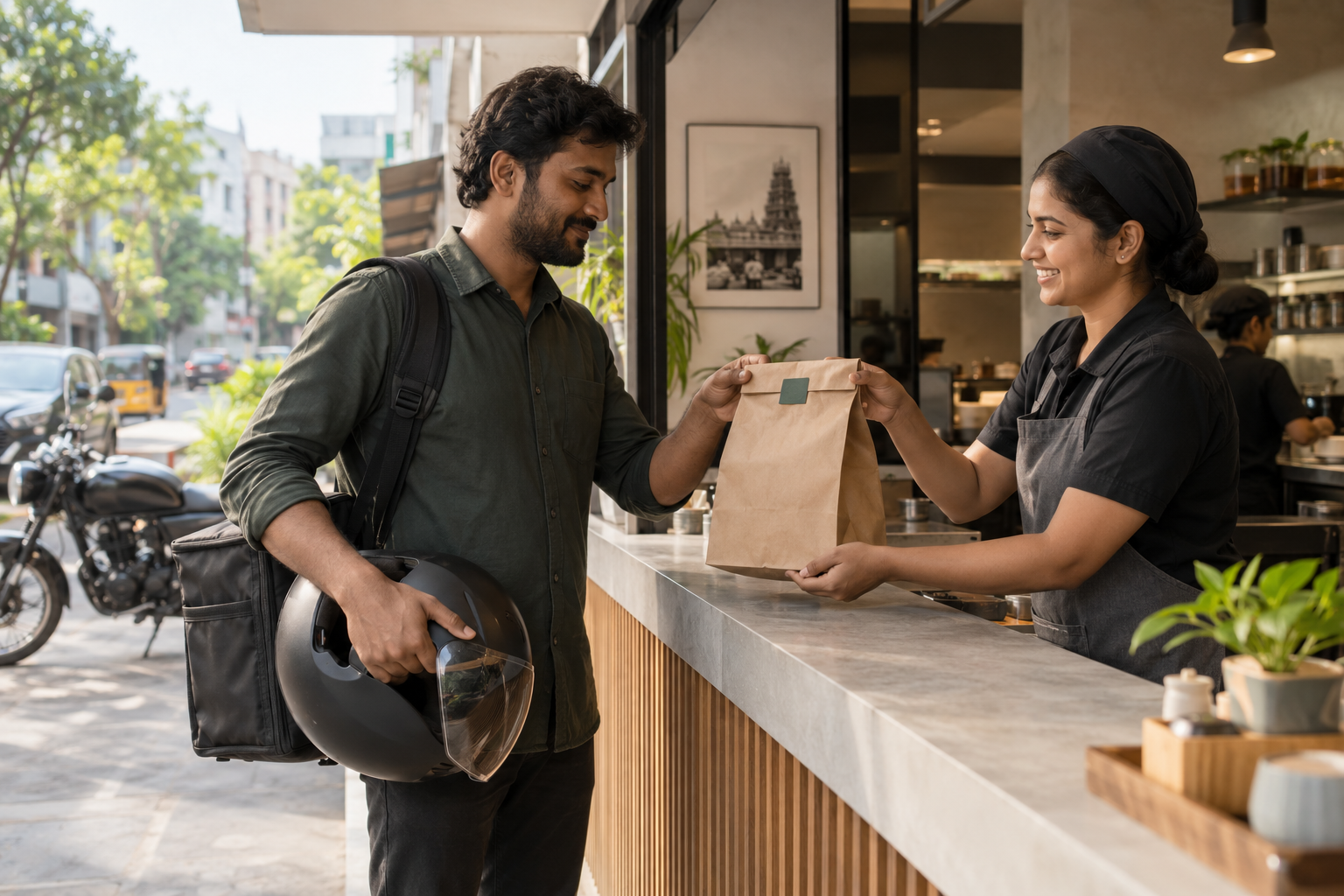
Review preparation readiness, pickup access, counter handover and customer access together. If a restaurant cannot release prepared orders smoothly, adding Captains can increase the queue at the same counter. If the pickup flow is sound but assignments are spread too widely, the coverage arrangement may need attention.
Discuss what work each partner can influence. The restaurant manages its preparation and collection process; the platform may control demand, assignment and the customer relationship; an operating partner may coordinate agreed fleet and Captain support. A useful capacity conversation identifies these boundaries before anyone promises an outcome across the whole journey.
Plan the people and vehicle side
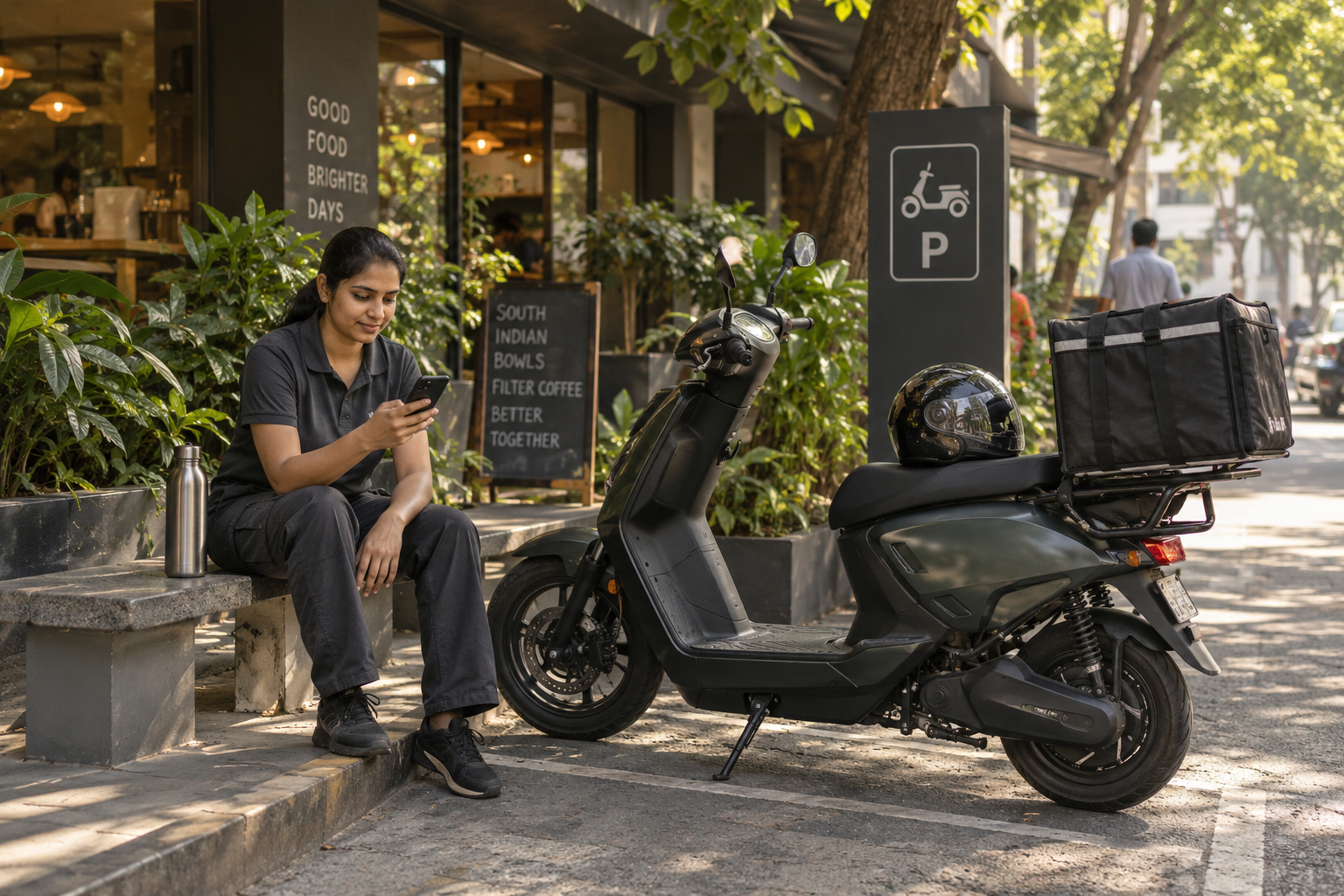
Confirm the Captain participation and working arrangement for the proposed window, including how changes and absence are handled. Identify suitable vehicles, the required carrying setup, energy needs and the route for reporting a defect. Any use of leased or partner-owned vehicles needs its own agreed terms and responsibilities.
Include practical breaks, handovers and the work needed to prepare for the next period. Spare capacity is not automatically available simply because another part of the business has vehicles. If contingency support is part of the proposal, name its source, the conditions for using it and the person who can authorise the change.
Use a short pilot brief and a balanced review
A useful brief contains the locations and window, the expected work with its evidence source, the proposed fleet arrangement, the pickup procedure, escalation contacts and the way costs and payments will be explained. Record the assumptions that must be checked before launch. Choose an initial scope that the participating teams can observe and support.
Review completed handovers, waiting causes, Captain feedback, vehicle interruptions and the cost of the agreed support together. More activity alone does not prove that the arrangement works. Decide what would justify continuing, changing the scope or stopping. A Food Delivery arrangement with Sparrow requires partner agreement and a workable service and commercial plan.